
Is rabbit wool the best to wear?

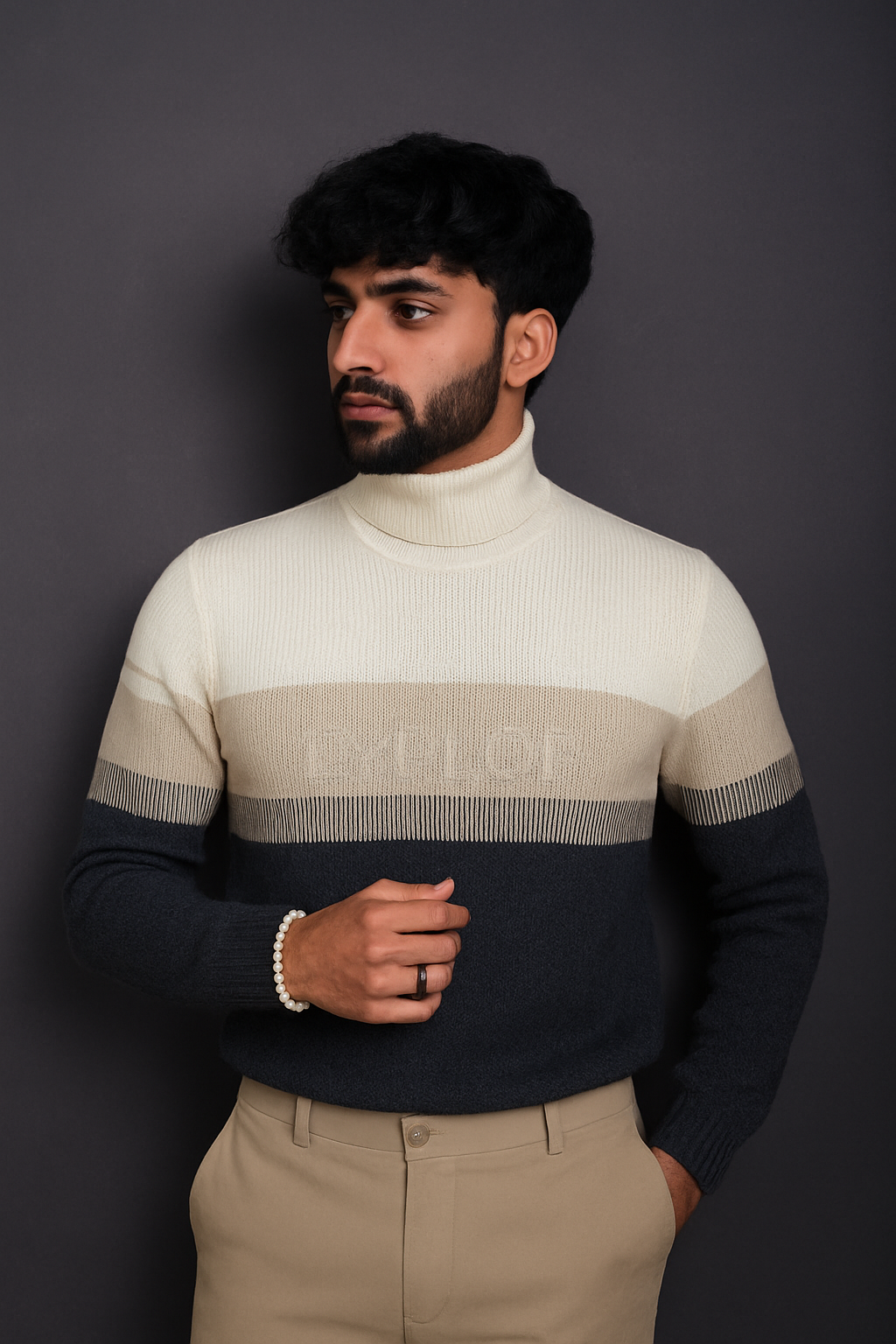
Is rabbit wool the best to wear?
Rabbit wool, commonly called Angora, is among the softest and warmest natural fibers of the world. Its luxurious feel instantly captures the attention of anyone looking for comfort and elegance in clothes.
With the increasing interest in natural and eco-friendly fabrics, rabbit wool has become a popular subject of interest.
Its light weight gives a particular warmth that is different from regular wool and creates a unique wearing experience.
Characteristics of Rabbit Wool
- Softness and Texture
Rabbit wool is very soft and is often referred to as silky, even cloud-like, against the skin. The fineness of the fibers is delicate and gives a smooth texture, which feels very luxurious on the body, hence being in high demand for warm, cozy garments. - Warmth and Insulation Properties
Rabbit wool is extremely warm because the fibers are hollow, allowing them to trap heat more effectively than many other wools. This provides exceptional insulation that comfortably warms without extra bulk, even in extremely cold temperatures. - Lightweight Nature
Rabbit wool is incredibly lightweight; it offers impressive warmth without heaviness, as with traditional wool. The fine and airy fibers provide soft and comfortable garments that are ideal for people who want warmth without bulk. - Moisture-Wicking Ability
Because of its excellent wicking features, rabbit wool pulls sweat from the skin, keeping it dry and comfortable. This natural wicking ability can regulate body temperature well and can be worn in both cold and slightly warmer conditions. - Fiber Structure (Hollow Fibers)
Rabbit wool fibers are naturally hollow, which allows them to trap air and provide great insulation. It is this very structure of the wool that will make it both warm and lightweight, thus offering comfort without bulk. - Shedding and Pilling Tendencies
Rabbit wool fibers have a tendency to shed easily and, with much wear, can show small pills on the surface. While it is luxurious in its softness, this characteristic means that it requires careful handling and gentle maintenance for optimum longevity of the garment. - Breathability
Rabbit wool naturally allows for airflow and breathability that regulates body temperature. This makes it comfortable to wear for extended periods, preventing overheating while keeping you warm. - Hypoallergenic Qualities
In general, rabbit wool is gentle on the skin and less likely to cause skin irritation than coarser wools. Its fine fibers allow people with mild sensitivities to tolerate it without harsh reactions. - Blending with Other Fibers
Often, rabbit wool is combined with other fibers, such as sheep wool, silk, or synthetic material, to offer greater strength and durability. These blends maintain its softness and warmth while reducing shedding and making garments more long-lasting. - Care and Maintenance Requirements
Care for angora rabbit wool by either hand washing or using the delicate cycle with mild detergent. It must be dried and stored correctly to avoid damage, shrinkage, or extreme shedding in order to maintain its soft, luxurious texture.
Benefits of Wearing Rabbit Wool
- Exceptional Softness and Comfort
Rabbit wool is extremely soft; it feels gentle and luxurious on the skin, hence providing comfort. This exceptional softness makes garments cozy to wear for long periods without irritation or discomfort. - Superior Warmth and Insulation
Rabbit wool is much warmer because the fibers are hollow. This traps heat very well, making it perfect for winter wear by providing excellent insulation that will keep the body warm even in cold weather. - Lightweight and Easy to Wear
Light in weight, rabbit wool provides warmth without the cumbersome bulk of heavier fabrics. It is therefore easy to wear and perfect for layering or creating comfortable, stylish outfits. - Moisture Regulation and Breathability
Rabbit wool is naturally moisture-wicking; it allows air to circulate and keeps the wearer dry. Its breathability means that it regulates temperature well, making it suitable for both cool and slightly warmer conditions. - Hypoallergenic Properties
PJS rabbit wool is gentle to the skin and less likely to cause irritations than coarser fibres. Due to its hypoallergenic properties, it is comfortable for sensitive skin. - Luxurious and Elegant Appearance
Rabbit wool possesses smooth and silky characteristics due to its nature, which renders a garment luxurious and elegant in appearance. Its refined look links to the choice of high-end fashion and trendy outfits. - Versatility in Fashion
Rabbit wool is highly versatile and can be used for sweaters, scarves, hats, and even stylish outerwear; it allows designers to create a wide variety of fashionable and cozy garments. - Durability When Blended with Other Fibers
While pure rabbit wool is delicate, blending it with other fibers such as wool or nylon enhances its durability. This combination keeps the material soft and warm while making it longer-lasting and more resilient in clothing. - Eco-Friendly and Natural Fiber
Rabbit wool is a natural fiber, renewable, and hence an environment-friendly alternative to synthetic materials. Choosing it is to support sustainable fashion while reducing reliance on non-biodegradable fabrics. - Thermal Comfort in All Seasons
Drawbacks and Limitations
- High Cost and Expensiveness
As with most luxury fibers, rabbit wool is a lot more expensive than regular wool and any synthetic material. For this reason, such high prices reduce its accessibility for everyday clothing and budget-conscious buyers. - Shedding and Pilling Issues
Rabbit wool has a tendency to lose its fibers or develop some small pills on the surface. This can happen with the passage of time and will disturb the look of a garment that calls for caution in handling. - Delicate and Less Durable
Rabbit wool is delicate and can wear out faster than stronger fibers, making it unsuitable for heavy or everyday use. The fineness in its structure requires it to be handled with care to avoid damage and maintain its softness. - Special Care and Maintenance Required
The wool of the rabbit is to be carefully washed by hand or in a delicate cycle and should be dried flat because it may shrink. Proper storage and careful handling will increase its life and keep it soft. - Ethical and Animal-Welfare Concerns
Production by rabbit wool does involve some ethical and animal-welfare concerns, as there are farms that employ strict or even cruel methods. It is important that wool be sourced ethically, with humane treatment of rabbits.
Comparison With Other Types of Wool
- Softness and Comfort Comparison
Rabbit wool is extremely soft and often outranks sheep wool, even merino, in its feel of luxury. Its silky texture gives a comfort that no other yarn can compete with and, as such, it is ideal for garments to be worn close to the skin. - Warmth and Insulation Differences
Rabbit wool is warmer than many other wools because the fibers are hollow, which helps to trap heat. Due to this natural insulation, it is very effective during cold weather, serving way better than the standard sheep wool in retaining body heat. - Durability and Longevity
One thing to know about rabbit wool is that it doesn’t felts very well. Another thing is that rabbit wool is softer but not very durable when compared to other types of wool, including merino or alpaca wool. - Cost and Affordability
Rabbit wool is relatively costly as compared to other types of wool. This is mainly because rabbit wool is very soft and has limited availability. This problem makes rabbit wool relatively costly for garments. - Ethical and Environmental Considerations
It also raises issues on rabbit wool production, where inhumane practices are used to obtain wool from rabbit farms. It is essential to compare rabbit wool to other wools, for example, alpaca wool or organic wool from sheeps’ fur, where sustainability matters.
Comfort and Warmth Level
- Softness Against the Skin
The texture of rabbit wool is very soft against one’s skin. This makes it very comfortable to wear, especially where it comes into direct contact with the body. - Temperature Regulation
It has natural temperature regulation properties, where it can trap body heat in cold environments but also allow excess heat to escape to prevent overheating. - Lightweight Warmth
Rabbit wool has many great properties, including its ability to provide warmth without adding thickness to garments, as it has very fine air holes in its structure. - Breathability and Moisture Control
Rabbit wool is breathable, meaning air can pass through it. This helps to reduce the buildup of heat. It also has moisture-wicking properties. This dries the skin. - Suitability for Different Seasons
What is more, rabbit wool has sufficient elasticity to provide insulation in cold weather and can also act as breathable fabric for spring or autumn days.
Who Should Consider Wearing Rabbit Wool?
The rabbit wool has many uses and is perfect for those who want something soft to wear. It has silky properties that are ideal for those with sensitive skin.
It has important uses to anyone living in cold or cold weather areas. This is mainly because rabbit wool has the ability to provide warmth.
Fashion lovers seeking luxurious and fashionable clothes will appreciate rabbit wool for its beautiful look. It makes clothes look elegant to wear.
Persons in need of lightweight but warming clothing can opt for rabbit wool. This is mainly because rabbit wool has many pores that create space for layering.
Persons interested in eco-friendly or natural fibres can opt for rabbit wool sourced on ethical grounds. This encourages environmentally and animal friendly practices.
Conclusion:
Rabbit wool, also called Angora, has long been prized for its incredible softness and fine texture. This is because rabbit wool has very fine and silky threads that are very gentle on skin.
One of its biggest strengths is its ability to provide warmth, with the hollow fibers retaining warmth very effectively. This makes rabbit wool very suitable for cold climatic conditions.
It is lightweight, breathable, and has moisture-wicking features that ensure temperature regulation and protection from wetness. This makes it ideal for various seasonal uses.
Rabbit wool has its drawbacks, including shedding, pilling, and delicate texture, which must be maintained well. Expensive rabbit wool and its sourcing for ethical reasons are other factors.
Compared to other types of wool, rabbit wool is very luxurious but can be relatively coarse. Mixing it with other types of wool can improve its strength.
The advantages for wearing rabbit wool include its comfort, warmth, elegance, hypoallergenic nature, and fashion ability. It would benefit individuals living in cold areas or those with skin allergies.
Ultimately, rabbit wool is one of nature’s most luxurious natural fibers. With proper care, rabbit wool can add a cozy touch to every wardrobe, making it last for many years to come.
